 delishing
How to Master Sautéed Bell Peppers: A Culinary Guide

Bell peppers, with their crisp texture and subtle sweetness, are a versatile ingredient that can elevate countless dishes. Sautéing them brings out their inherent flavors, creating a savory and slightly caramelized profile that pairs well with everything from hearty meats to delicate seafood and vegetarian fare. The quick cooking time preserves their appealing snap while unlocking their depth of flavor.
This guide focuses on achieving perfectly sautéed bell peppers every time. We'll explore the ideal types of peppers to use, the essential techniques for optimal browning and tenderness, and creative serving suggestions to inspire your culinary creations. Learning to sauté bell peppers well is a foundational skill that will significantly expand your cooking repertoire.
Understanding Bell Peppers
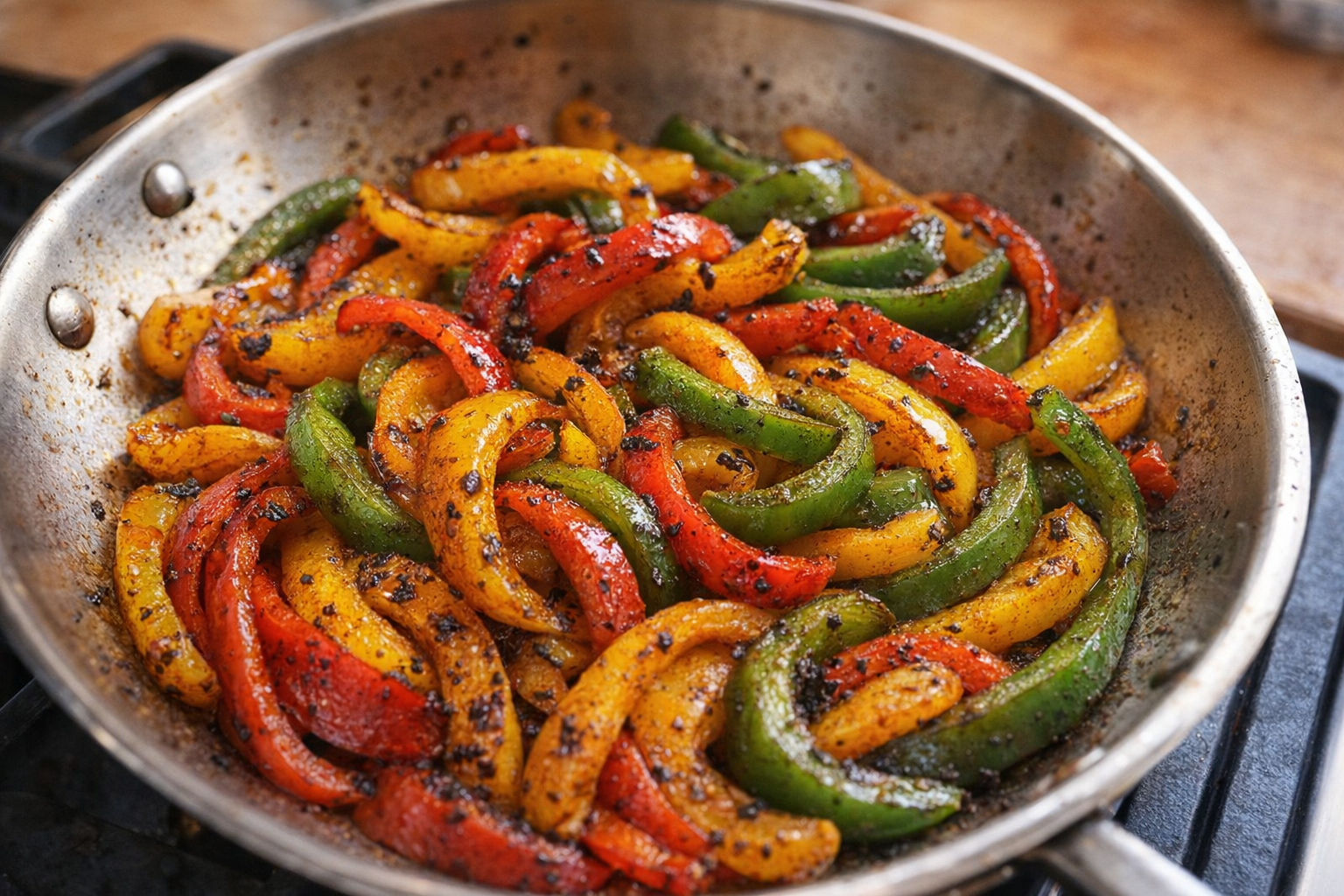
Bell peppers, part of the Capsicum annuum family, come in a range of colors, each with a slightly different flavor profile.
- Green Bell Peppers: The most common and least ripe, with a slightly bitter, grassy flavor. Ideal for adding a sharp contrast to dishes.
- Yellow Bell Peppers: Milder and sweeter than green, with a fruity note. Their bright color adds visual appeal.
- Orange Bell Peppers: Similar to yellow but with a slightly more intense sweetness and a subtle citrusy aroma.
- Red Bell Peppers: The ripest and sweetest, with a rich, almost candy-like flavor. They caramelize beautifully when sautéed.
Why Cook Bell Peppers This Way?
- Versatility: Sautéed bell peppers can be used in fajitas, omelets, stir-fries, pasta dishes, and countless other recipes.
- Flavor: Sautéing enhances the natural sweetness of bell peppers, creating a depth of flavor that complements a wide range of ingredients.
- Convenience: This method is quick and easy, making it perfect for weeknight meals.
Preparation (Mise en Place)
- Washing: Thoroughly wash the bell peppers under cold running water to remove any dirt or debris.
- Seeding: Cut off the top and bottom of each pepper. Stand the pepper upright and carefully slice down along the core to remove the seeds and membranes.
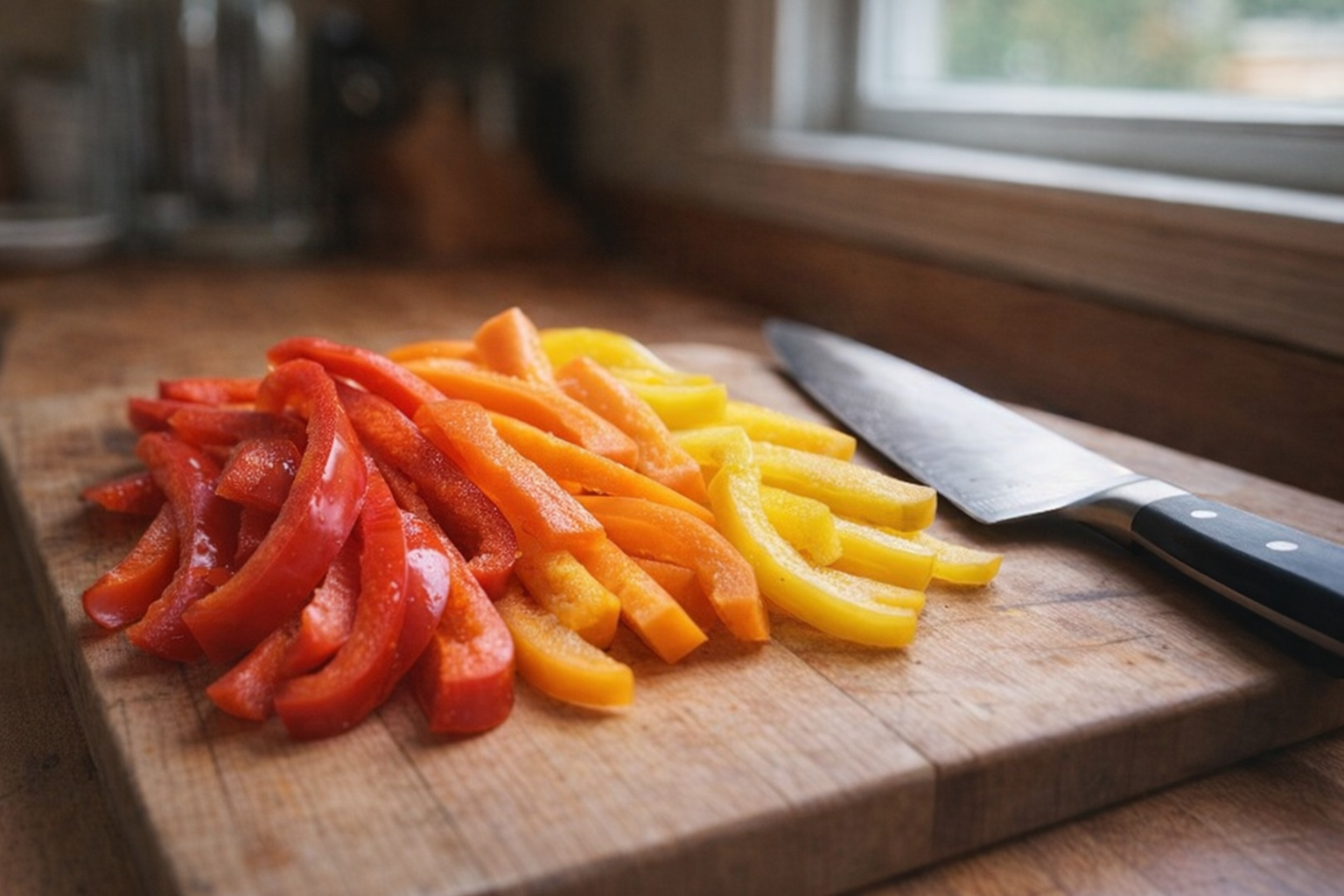
- Slicing: Lay the pepper flat and slice it into strips approximately 1/4-inch thick. Consistent sizing ensures even cooking.
Essential Tools
- Chef's Knife: A sharp chef's knife is crucial for precise and efficient slicing.
- Cutting Board: A stable cutting board provides a safe and comfortable surface for preparation.
- Stainless Steel or Cast Iron Skillet: We recommend a stainless steel or cast iron skillet for even heat distribution and optimal browning. Avoid non-stick pans, as they don't promote caramelization as effectively.
The Cooking Method(s):
Sautéing Bell Peppers for Maximum Flavor
This method emphasizes bringing out the natural sweetness of the peppers with a touch of charring.
Ingredients:
- 2 tablespoons olive oil
- 1 large onion, thinly sliced
- 2 cloves garlic, minced
- 3 bell peppers (a mix of colors), sliced into 1/4-inch strips
- 1/2 teaspoon salt
- 1/4 teaspoon black pepper
- Optional: 1/4 teaspoon red pepper flakes for a touch of heat
- Heat the pan: Place your skillet over medium-high heat. Add the olive oil and let it heat up until it shimmers, about 1-2 minutes. The oil should be hot enough to sizzle gently when a pepper strip is added.
- Sauté the onions: Add the sliced onion to the skillet and sauté until softened and translucent, about 5-7 minutes. Stir occasionally to prevent burning. The aroma of the softening onions should fill your kitchen.
- Add the garlic: Add the minced garlic and cook for another minute, stirring constantly, until fragrant. Be careful not to burn the garlic, as it will become bitter.
- Add the bell peppers: Add the sliced bell peppers to the skillet. Spread them out in a single layer as much as possible.
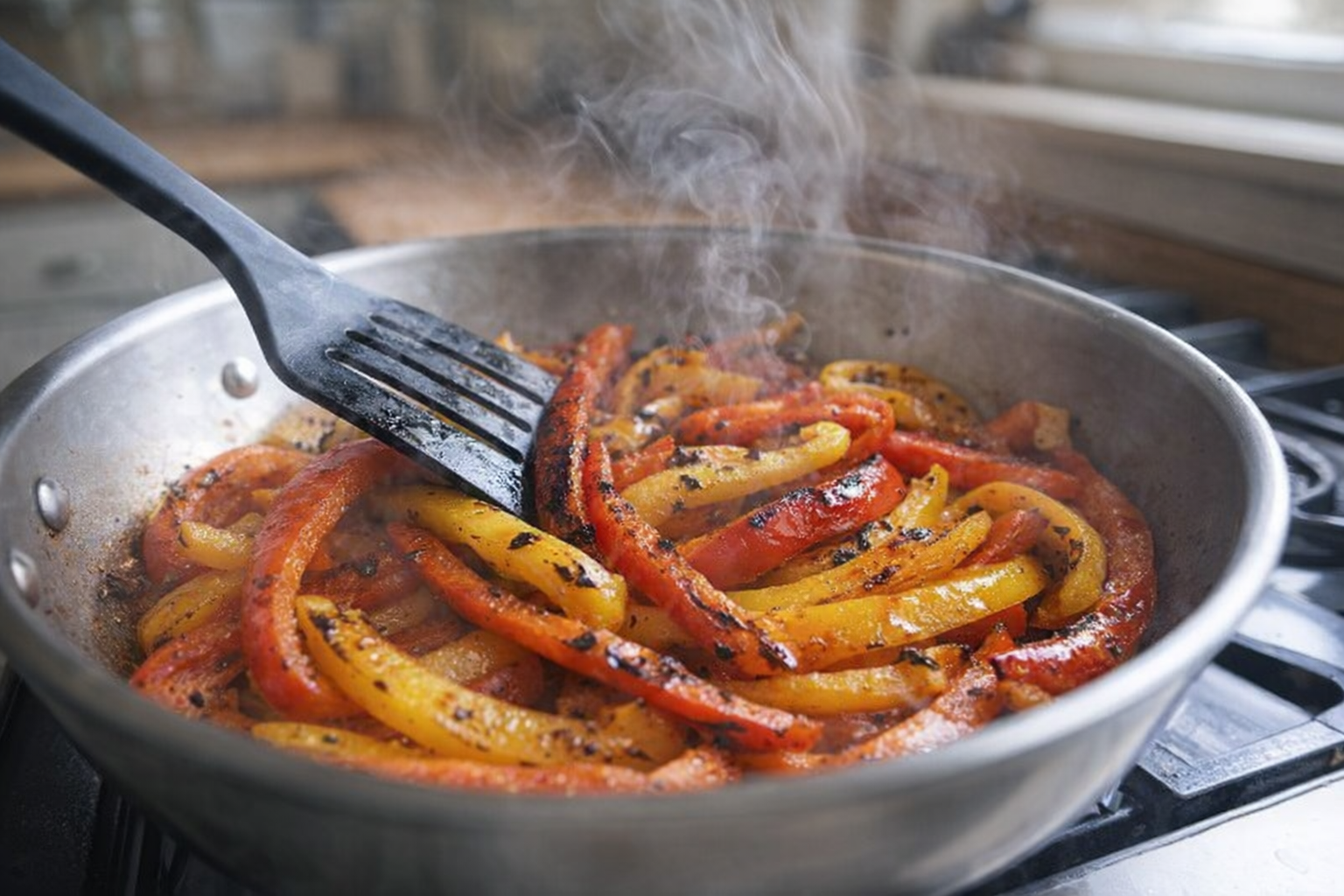
- Sauté the peppers: Sauté the bell peppers, stirring occasionally, until they are tender-crisp and slightly charred, about 8-10 minutes. Listen for the satisfying sizzle as the peppers make contact with the hot pan. Watch for the edges of the peppers to begin to brown and caramelize.
- Season: Season with salt, pepper, and red pepper flakes (if using). Stir to combine.
- Serve: Remove from heat and serve immediately.
Cooking Time & Doneness Guide:
- Total Cooking Time: Approximately 15-20 minutes.
- Doneness: The bell peppers should be tender-crisp, meaning they are softened but still have a slight bite. They should also have some char marks, indicating that they have caramelized properly.
Visual Cues
The bell peppers will be vibrant in color and slightly shrunken in size. They will also have a glossy sheen from the olive oil.
Tips for Perfection:
- Don't overcrowd the pan: Overcrowding will lower the temperature of the pan and cause the peppers to steam instead of sauté, resulting in soggy peppers. Cook in batches if necessary.
- Use high heat: Medium-high heat is essential for achieving proper browning and caramelization.
- Stir occasionally: Stirring occasionally ensures that the peppers cook evenly and don't burn.
- Season properly: Salt and pepper enhance the natural flavors of the bell peppers. Don't be afraid to season generously.
Storage & Reheating:
- Storage: Store leftover sautéed bell peppers in an airtight container in the refrigerator for up to 3 days.
- Reheating: Reheat in a skillet over medium heat or in the microwave until heated through. Be careful not to overcook, as this will make the peppers soggy. A quick sauté in a hot pan is the best way to revive their texture.
Serving Suggestions:
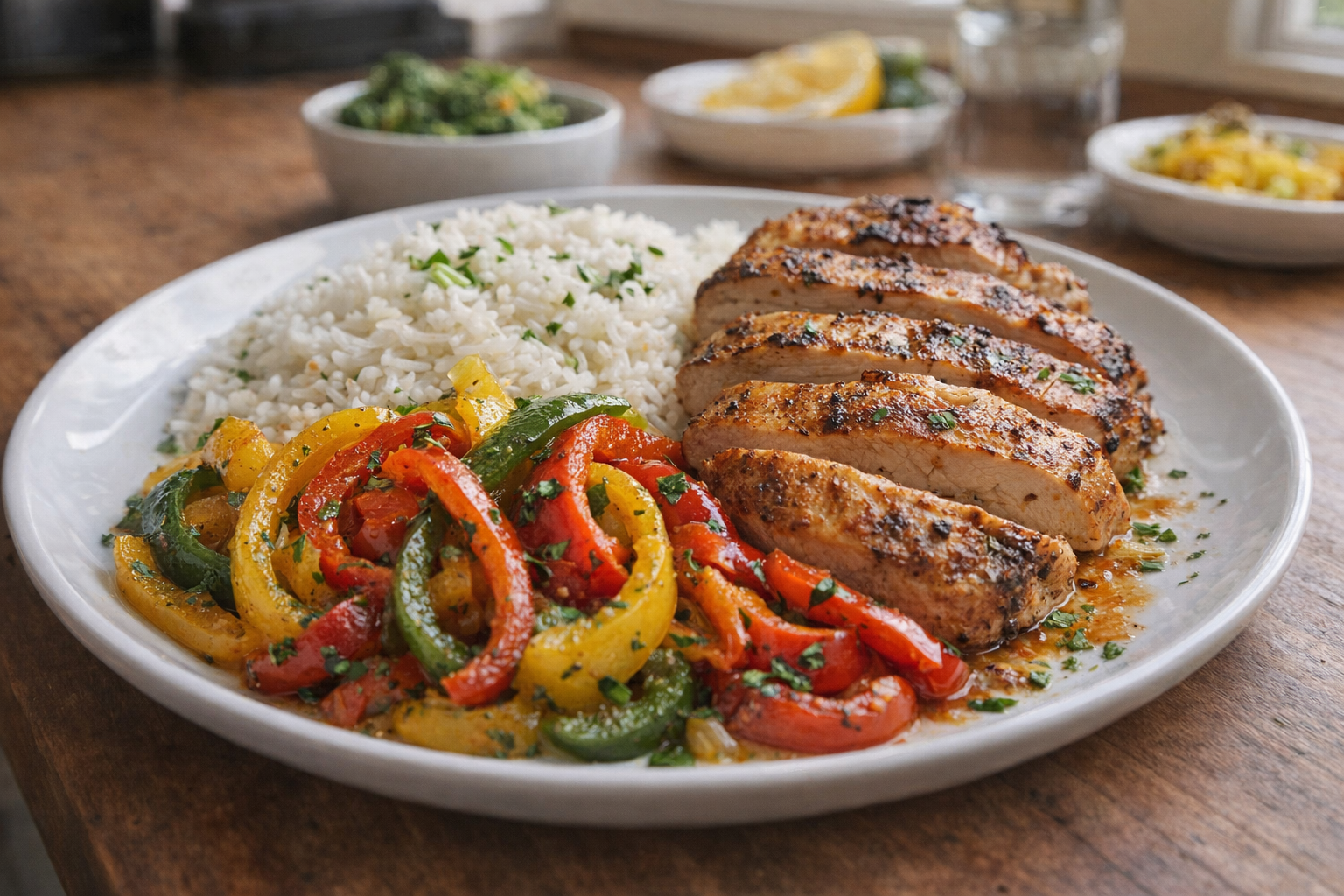
- Fajitas: Serve sautéed bell peppers with grilled chicken or steak, tortillas, and your favorite toppings.
- Omelets: Add sautéed bell peppers to omelets for a burst of flavor and color.
- Pasta Dishes: Toss sautéed bell peppers with pasta, olive oil, garlic, and Parmesan cheese.
- Pizza Topping: Use sautéed bell peppers as a flavorful and healthy pizza topping.
💡 Pro Tips
- Slice the bell peppers into uniform strips to ensure they all cook at the same rate and reach the perfect level of tenderness simultaneously.
- Use a large skillet and avoid overcrowding the pan to allow moisture to evaporate, which ensures the peppers sauté rather than steam.
- Maintain medium-high heat throughout the process to achieve a slight char and caramelization while still preserving the peppers' signature snap.
- Wait to season the peppers with salt until they have started to brown to prevent them from releasing excess water and becoming soggy.
- Deglaze the pan with a small splash of water or vinegar in the final minute to pick up savory browned bits and coat the peppers in a flavorful glaze.
Frequently Asked Questions
While you can use frozen bell peppers, keep in mind that they will release more water during cooking. This can prevent proper browning and result in a softer texture. If using frozen, thaw them completely and pat them dry before sautéing to minimize excess moisture.
Make sure the pan is properly heated before adding the bell peppers and use enough oil to coat the bottom of the pan evenly. Avoid overcrowding the pan, as this will lower the temperature and cause the peppers to steam instead of sauté. Sauté in batches if necessary.
Allow the sautéed bell peppers to cool completely before storing them in an airtight container in the refrigerator. They will keep for up to 3-4 days. You can reheat them in a skillet or microwave before using.
Yes, you can definitely use just one color of bell pepper. While a mix of colors is ideal for both flavor and visual appeal, using only one color will still result in delicious sautéed bell peppers. Red or yellow bell peppers are great choices if you only have one option, as they are sweeter and caramelize nicely.